
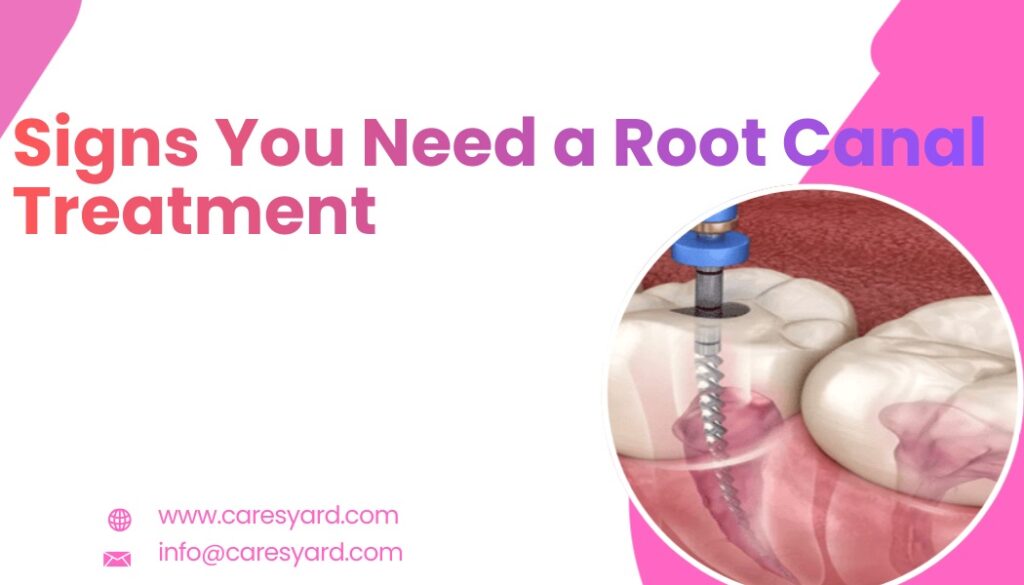

Tooth pain rarely starts loudly. In many cases, the early Signs You Need a Root Canal Treatment are subtle and easy to ignore. A little sensitivity, mild pressure while chewing, or slight gum swelling may not seem serious. But inside the tooth, infection can silently damage the pulp — the soft tissue that contains nerves and blood vessels.
Root canal treatment is designed to remove infected pulp, clean the canal, and seal the tooth to prevent further damage. Modern dentistry has made this procedure safe, comfortable, and highly successful. Recognizing symptoms early can help you save your natural tooth and avoid costly complications.
This guide explains the warning signs, what happens during treatment, recovery expectations, and when you should visit your dentist.
Table of Contents
-
Background Information
-
What Happens Inside an Infected Tooth
-
Signs You Need a Root Canal Treatment
-
Persistent Tooth Pain
-
Lingering Sensitivity to Hot or Cold
-
Swollen or Tender Gums
-
Darkening of the Tooth
-
Pain When Chewing or Touching
-
Gum Abscess or Pus Discharge
-
Cracked or Chipped Tooth
-
Pressure Sensitivity
-
Severe Decay Reaching the Pulp
-
Tooth Mobility or Loosening
-
-
What Happens If You Ignore the Signs
-
Understanding the Root Canal Procedure
-
Cost and Expectations
-
Key Highlights
-
FAQs
-
Conclusion
Background Information
A tooth has three layers: enamel, dentin, and pulp. The pulp contains nerves and blood vessels. When bacteria enter through deep cavities, cracks, or trauma, the pulp becomes inflamed or infected. Without treatment, the infection spreads to the surrounding bone and tissue.
Dentists perform millions of root canal procedures each year. According to endodontic specialists, saving the natural tooth is always better than extraction whenever possible. Early diagnosis improves long-term success.
What Happens Inside an Infected Tooth
When bacteria reach the pulp, pressure builds inside the tooth. This causes pain and sensitivity. Over time, the pulp may die. Dead tissue allows infection to spread to the root tip and jawbone, leading to abscess formation.
This is why recognizing the Signs You Need a Root Canal Treatment is critical. Acting early protects both your smile and overall oral health.
Signs You Need a Root Canal Treatment
Persistent Tooth Pain
An ongoing toothache is one of the clearest warning signs. The pain may feel sharp, throbbing, or deep inside the tooth. It can spread to the jaw, ear, or face. If pain does not improve, you may need a professional evaluation.
Lingering Sensitivity to Hot or Cold
Brief sensitivity is normal. However, if pain lingers after drinking coffee or cold water, it may signal nerve damage. This symptom often indicates pulp inflammation.
Swollen or Tender Gums
Swelling around one tooth may indicate infection. You might notice tenderness, redness, or a small bump near the root area.
Darkening of the Tooth
If one tooth turns gray or darker than the others, internal pulp damage may be the cause. External whitening will not fix this issue. A dentist must treat the infection first.
Pain When Chewing or Touching
Sharp pain while biting suggests pressure inside the tooth. Infection can make even light contact uncomfortable.
Gum Abscess or Pus Discharge
A pimple-like bump on the gums that leaks pus indicates a dental abscess. This is a serious infection that requires immediate care.
Cracked or Chipped Tooth
A fracture exposes the inner pulp to bacteria. Even if the crack does not hurt initially, infection can develop later.
Pressure Sensitivity
If your tooth feels uncomfortable when tapped or pressed, it may signal pulp inflammation.
Severe Decay Reaching the Pulp
Untreated cavities can reach the pulp chamber. At this stage, fillings are no longer effective.
Tooth Mobility or Loosening
Infection can weaken the surrounding bone. A loose tooth in adults is never normal and requires urgent dental evaluation.
These symptoms clearly represent common Signs You Need a Root Canal Treatment and should not be ignored.
What Happens If You Ignore the Signs
When patients delay treatment:
-
Infection spreads to the jawbone
-
Facial swelling may occur
-
Severe pain develops
-
Tooth extraction becomes necessary
-
Treatment costs increase
Early intervention prevents complications and improves treatment success rates.
Understanding the Root Canal Procedure
Many patients fear root canals unnecessarily. The procedure is similar to getting a filling.
Step-by-Step Process
-
The dentist numbs the area with local anesthesia
-
A small opening is created in the crown
-
Infected pulp is removed
-
Canals are cleaned and disinfected
-
The space is filled with gutta-percha
-
A crown is placed to restore strength
Most treatments take 60–90 minutes. Modern techniques make the process comfortable and efficient.
Cost and Expectations
The cost varies depending on:
-
Tooth location (molars cost more)
-
Infection severity
-
Clinic location
Although initial costs may seem high, saving your natural tooth is usually more affordable than extraction followed by implants or bridges.
Most patients recover within a week. Mild soreness is normal, but severe pain is not.
Key Highlights
-
Early detection increases the success rate
-
Persistent pain is a major warning sign
-
Root canal treatment saves natural teeth
-
Modern procedures are virtually painless
-
Delaying care increases risk and cost
Official or Expert Insight
Endodontic specialists emphasize that root canal therapy has a success rate above 90% when performed early. Saving the natural tooth maintains chewing strength and prevents the shifting of nearby teeth.
FAQs
1. Is a root canal painful?
No. Modern anesthesia makes the procedure comfortable. Most patients say it feels similar to a filling.
2. How long does recovery take?
Most people recover within a few days. Mild sensitivity may last up to a week.
3. Will I need a crown after treatment?
Yes, especially for molars. A crown protects the treated tooth from fracture.
4. Can antibiotics cure the infection instead?
No. Antibiotics may reduce symptoms temporarily, but they do not remove infected pulp.
Conclusion
Recognizing the Signs You Need a Root Canal Treatment can save your natural tooth and prevent serious complications. Do not ignore persistent pain, swelling, or discoloration. Early treatment is safe, effective, and far less intimidating than many people believe.
If you notice any warning signs, schedule a dental appointment today. Acting early protects your smile for years to come.