

Causes of Mouth Ulcers
Table of Contents
-
Introduction
-
What Happened: Why Do Mouth Ulcers Occur?
-
Key Highlights
-
Background Information
-
Common Causes of Mouth Ulcers
-
Minor Injuries in the Mouth
-
Stress and Hormonal Changes
-
Nutritional Deficiencies
-
Food Sensitivities
-
Viral and Bacterial Infections
-
Certain Medications
-
Underlying Health Conditions
-
-
When to See a Doctor
-
Expert Insight
-
Prevention Tips
-
Conclusion
-
FAQs
-
Internal Linking Section
Introduction
Mouth ulcers are small, painful sores that develop inside the mouth, often on the cheeks, lips, tongue, or gums. Many people experience them at some point in their lives. While they are usually harmless, they can cause discomfort while eating, drinking, or speaking. Understanding the causes of mouth ulcers is important because it helps identify triggers and prevent future outbreaks.
These sores can appear suddenly and may last several days or even weeks. Sometimes they result from simple issues like accidental biting or eating spicy foods. In other cases, they may be linked to nutritional deficiencies, infections, or stress. By learning about the common causes of mouth ulcers, you can take steps to protect your oral health and reduce the risk of recurring sores.
What Happened: Why Do Mouth Ulcers Occur?
Mouth ulcers develop when the delicate lining of the mouth becomes damaged or inflamed. This irritation can happen due to physical injury, infections, or certain health conditions.
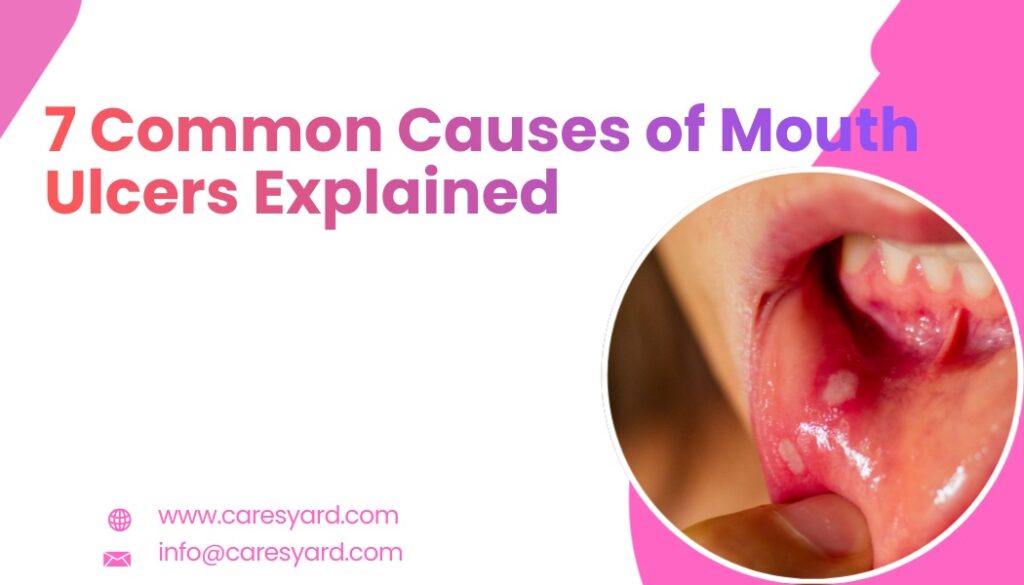
In many cases, the body reacts to irritation by creating a small sore that becomes red and painful. These sores usually have a white or yellow center with a red border. Although they are not contagious, they can cause significant discomfort.
Understanding the causes of mouth ulcers allows people to identify triggers and manage symptoms more effectively.
Key Highlights
-
Mouth ulcers are small sores that develop inside the mouth.
-
They can appear on the tongue, gums, inner cheeks, or lips.
-
Most ulcers heal naturally within 1–2 weeks.
-
Stress, injuries, and vitamin deficiencies are common triggers.
-
Persistent ulcers may indicate an underlying health condition.
Background Information
The inside of the mouth contains soft tissues that are sensitive and easily irritated. When this tissue becomes inflamed, ulcers can develop. These sores are medically known as aphthous ulcers.
Although they are common, the exact reason why some people develop them more frequently remains unclear. Experts believe a combination of lifestyle factors, immune responses, and nutritional issues contributes to the causes of mouth ulcers.
Most ulcers are harmless, but recurring or severe cases should be evaluated by a healthcare professional.
Common Causes of Mouth Ulcers
1. Minor Injuries in the Mouth
One of the most common causes of mouth ulcers is physical injury. The lining of the mouth can easily become damaged during daily activities.
Examples include:
-
Accidentally biting the inside of the cheek
-
Brushing teeth too hard
-
Sharp edges from dental braces or dentures
-
Eating very hot food
These injuries may cause irritation that leads to ulcer formation.
2. Stress and Hormonal Changes
Emotional stress is another major factor. Many people notice mouth ulcers during periods of anxiety or pressure.
Hormonal changes, especially during menstruation, can also trigger ulcers in some individuals. Stress weakens the immune system, making the mouth more vulnerable to irritation.
3. Nutritional Deficiencies
Deficiencies in certain vitamins and minerals are well-known causes of mouth ulcers.
Important nutrients include:
-
Vitamin B12
-
Iron
-
Folic acid
-
Zinc
When the body lacks these nutrients, the oral tissues may become weaker and more prone to sores.
4. Food Sensitivities
Certain foods can irritate the lining of the mouth and trigger ulcers. People who are sensitive to acidic or spicy foods may experience frequent sores.
Common triggers include:
-
Citrus fruits
-
Spicy dishes
-
Chocolate
-
Coffee
-
Salty snacks
Avoiding these foods may help reduce ulcer outbreaks.
5. Viral and Bacterial Infections
Infections can also contribute to the causes of mouth ulcers. Some viruses and bacteria irritate the oral tissues, leading to painful sores.
Examples include:
-
Herpes simplex virus
-
Hand, foot, and mouth disease
-
Certain bacterial infections
These infections often come with additional symptoms such as fever or fatigue.
6. Certain Medications
Some medications may increase the risk of mouth ulcers as a side effect. Drugs that affect the immune system or irritate oral tissues can trigger sores.
Examples include:
-
Anti-inflammatory medications
-
Chemotherapy drugs
-
Certain antibiotics
If ulcers appear after starting a new medication, it is advisable to consult a healthcare professional.
7. Underlying Health Conditions
In some cases, recurring ulcers may indicate a medical condition. These conditions are less common but should be considered if ulcers appear frequently.
Possible conditions include:
-
Celiac disease
-
Crohn’s disease
-
Behçet’s disease
-
Immune system disorders
These conditions affect the body’s immune response and may contribute to the causes of mouth ulcers.
When to See a Doctor
Most mouth ulcers heal naturally within two weeks. However, medical advice is recommended if:
-
The ulcer lasts longer than two weeks
-
Pain becomes severe
-
Ulcers appear frequently
-
Fever or swelling occurs
-
Eating and drinking become difficult
Early diagnosis helps identify serious underlying conditions.
Expert Insight
Dental and medical professionals emphasize the importance of maintaining good oral hygiene and a balanced diet. Experts explain that regular dental checkups and proper nutrition can significantly reduce the risk of developing mouth ulcers.
Healthcare providers also recommend avoiding known triggers such as spicy foods or harsh dental products.
Prevention Tips
Although mouth ulcers cannot always be prevented, certain habits may lower the risk.
Helpful tips include:
-
Brush teeth gently using a soft toothbrush
-
Maintain good oral hygiene
-
Eat a balanced diet rich in vitamins
-
Reduce stress levels
-
Avoid foods that trigger irritation
-
Drink enough water
These steps support oral health and reduce the likelihood of ulcers.
Conclusion
Understanding the causes of mouth ulcers is the first step toward preventing and managing them. While most ulcers result from minor injuries, stress, or dietary issues, some may indicate underlying health concerns.
If you frequently experience mouth ulcers or notice unusual symptoms, consider consulting a healthcare professional. Taking care of your oral health through proper hygiene and balanced nutrition can help prevent future problems.
For more health guides and dental care tips, explore other articles on our website.
FAQs
1. What is the main cause of mouth ulcers?
Minor injuries inside the mouth are one of the most common causes of mouth ulcers. Stress and nutritional deficiencies can also trigger them.
2. How long do mouth ulcers usually last?
Most mouth ulcers heal naturally within 7 to 14 days without medical treatment.
3. Can a vitamin deficiency cause mouth ulcers?
Yes, deficiencies in vitamin B12, iron, folic acid, and zinc are common causes of mouth ulcers.
4. When should I worry about mouth ulcers?
You should consult a doctor if ulcers last longer than two weeks, become very painful, or occur frequently.